Source Environmentally Friendly Diesel Injector Cleaner for engines, fuel systems, and maintenance
Compare 30 listings of Environmentally Friendly Diesel Injector Cleaner designed for engine cleaning, fuel system maintenance, and performance improvement. Buyers can evaluate specifications, certifications, and pricing from verified manufacturers in Guangdong, China.
Key considerations
Products List


Safe Efficient Factory Price Car Injector Cleaner Diesel Injector Cleaner
$0.35 - $0.72
MOQ: 7500 Pieces

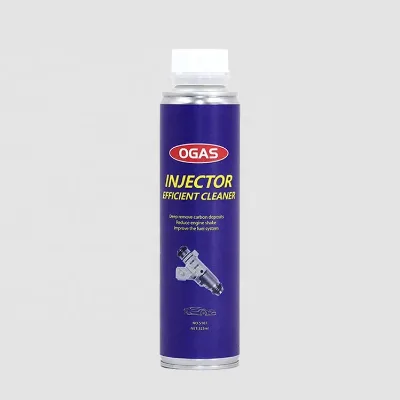


OEM Car Cleaning Engine System Fuel Additive Diesel Additive Injector Cleaner
$0.70 - $0.80
MOQ: 1200 Pieces

Factory Custom Diesel Car Engine Treatment Fuel Injector Cleaner Gasoline Additive
$0.41 - $0.58
MOQ: 1200 Pieces

Factory Supply OEM Fuel System Injector Cleaner Diesel Fuel Additives Treatment
$0.70 - $0.80
MOQ: 1200 Pieces


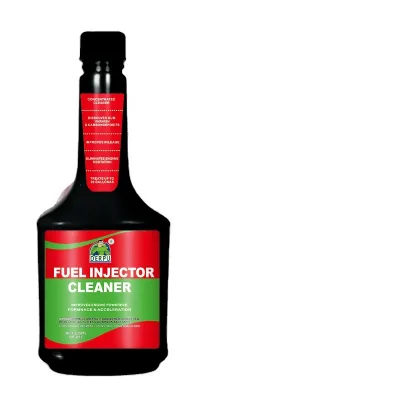
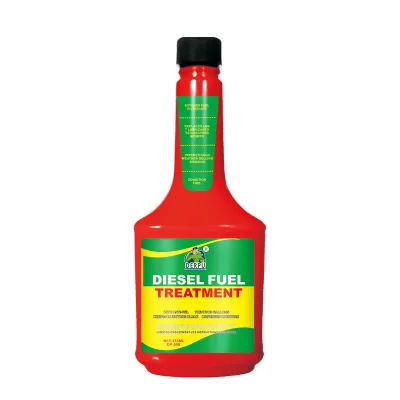
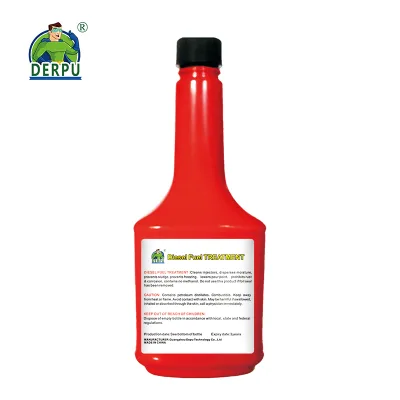


Comprehensive Sourcing Guide
Strategic Sourcing Guide for Environmentally Friendly Diesel Injector Cleaners
Understanding Product Definitions and Technical Classifications
When sourcing environmentally friendly diesel injector cleaners, buyers must first distinguish between general cleaning agents and specialized fuel system additives. The market offers a variety of formulations, ranging from simple detergents to complex chemical blends designed for specific engine types. In the current supply landscape, products are often categorized by their primary function, such as "Engine Additive" or "Fuel Injector Cleaner," with specific sub-classifications like "Strong Abluent for Engine" or "Catalytic Combustion Improver."
Technical specifications are the foundation of any procurement decision. A critical observation in the current market is the variation in physical states and chemical compositions. While some products are described as liquids with a "Kerosene" odor and an evaporation rate classified as "Slow," others may possess different volatile percentages. For instance, observed data indicates a volatile content of 40% in certain formulations, while flash points vary, with specific listings noting a flash point of 44°C. These physical properties are not merely descriptive; they dictate storage requirements, transportation safety, and application methods.
The chemical composition is equally vital. Some products list "Phosphate" as a main component, which may influence environmental compliance depending on local regulations regarding phosphorus discharge. Conversely, the search for "environmentally friendly" solutions often requires verifying the absence of harsh solvents or heavy metals. Buyers should look for products explicitly labeled as "Neutral" in pH if the goal is to prevent corrosion on sensitive engine components, whereas "Base" pH products might be intended for heavy-duty cleaning of specific deposits. The distinction between "Cleaning Type" and "Flow Improver" is also significant, as the former focuses on deposit removal while the latter aims to optimize fuel atomization.
Compliance, Certification, and Environmental Standards
Verifying compliance is a non-negotiable step in sourcing diesel injector cleaners, particularly when the core requirement is environmental friendliness. The supply chain often presents a mix of certifications, and buyers must rigorously validate these claims against international standards. Common certifications observed in the market include ISO 9001, which indicates a quality management system, and specific product certifications such as CE, RoHS, SGS, and GMP.
However, the presence of a certification label does not automatically guarantee that a specific batch meets "environmentally friendly" criteria. Buyers must scrutinize the specific scope of the certification. For example, while ISO 9001 is a standard for quality management, it does not inherently certify environmental safety. More relevant are standards like RoHS, which restricts hazardous substances, and SGS testing reports that verify the chemical composition against safety limits.
The "Main Market" designation of a product can also serve as a proxy for compliance expectations. Products destined for North America or the Middle East often adhere to stricter regulatory frameworks regarding fuel additives. A product listed with a "Main Market" of North America is more likely to have undergone testing for compliance with EPA regulations or similar environmental bodies. Buyers should request specific test results that confirm the product meets the environmental standards of their target region.
Furthermore, the "Certificate" field in product listings often contains generic terms like "ISOClassification:Flow Improver" or "ISOClassification:Antiwear and Antirust Agent." These classifications describe the product's function rather than its environmental impact. To ensure the product is truly environmentally friendly, buyers must demand data sheets that detail the biodegradability of the formulation and the toxicity levels of the main components. The absence of explicit environmental certification data should be treated as a red flag, requiring further verification before any purchase commitment.
Cost Drivers and Pricing Structures
The pricing of diesel injector cleaners is influenced by a complex interplay of factors, including volume, packaging, and chemical complexity. The observed price range in the market spans from $0.35 to $2,000, a vast disparity that reflects differences in product concentration, bottle size, and order quantity. Understanding these cost drivers is essential for budgeting and negotiating effectively.
Volume is a primary determinant of unit cost. Smaller packaging options, such as 360ml or 400ml bottles, typically carry a higher per-unit price compared to bulk industrial containers. The packaging configuration also plays a role; products packed as "30PCS/CTN" or "12PCS/CTN" may have different logistics costs compared to those packed as "24PCS/CTN." The gross weight of the product, observed at 8.4kg for certain cartons, directly impacts shipping costs, which are a significant component of the total landed cost.
Minimum Order Quantity (MOQ) is another critical cost driver. The market shows an MOQ range from 1 to 7,500 units, with a specific high-confidence observation of 3,000 PCS for certain models. Buyers purchasing below the standard MOQ may face premium pricing or may need to negotiate with suppliers who are willing to accept smaller orders at a higher rate. The "Negotiable" payment terms observed in the market suggest that pricing is often flexible based on the buyer's volume and relationship with the supplier.
Additionally, the customization of the product adds a layer of cost. While "Customization" is listed as available, this often involves retooling, custom labeling, or altering the chemical formula, all of which incur additional fees. Buyers seeking environmentally friendly formulations may find that customizing the chemical blend to meet specific eco-standards increases the unit price. Therefore, the total cost of ownership should include not just the unit price but also the costs associated with customization, packaging, and logistics.
Typical Applications and Performance Expectations
The application of diesel injector cleaners varies significantly based on the engine type and the specific problem being addressed. Products are often marketed for specific uses, such as "Engine Additive," "Catalytic Combustion Improver," or "Diesel Fuel Injector Cleaner." The intended application dictates the required performance characteristics, such as the ability to remove carbon deposits, improve fuel flow, or prevent rust.
For heavy-duty applications, "Strong Abluent for Engine" products are designed to handle severe deposits and may be used in commercial fleets or industrial machinery. These products often feature a "Base" pH and are formulated to be highly effective at cleaning, though this may require careful handling to avoid damaging sensitive engine components. In contrast, "Neutral" pH products are generally safer for a broader range of engines and are preferred for routine maintenance to prevent buildup without risking corrosion.
The physical state of the cleaner is also relevant to its application. Liquid formulations with a "Kerosene" odor and a "Slow" evaporation rate are typically designed to be mixed directly with fuel, allowing the solvent to remain in the system long enough to dissolve deposits. The flash point of 44°C indicates a specific safety profile that must be considered during storage and handling. Products with a "Melting Point" of less than -25.5°C are suitable for use in colder climates, ensuring the additive remains effective even in low-temperature conditions.
Buyers should also consider the "Validity Date" or "Shelf Life" of the product, which is observed to be three years for many formulations. This longevity is crucial for inventory management, especially for buyers who stock up on cleaners for long-term use. The "Use" category, such as "Gasoline" or "Diesel," must be strictly adhered to; using a gasoline-specific cleaner in a diesel engine can lead to performance issues or engine damage.
Supplier Evaluation and Manufacturing Capabilities
Evaluating suppliers requires a deep dive into their manufacturing capabilities, business type, and operational history. The market includes both manufacturers and trading companies, with "Manufacturer" being a key attribute for buyers seeking direct control over quality and customization. A manufacturer-based supplier is more likely to offer "ODM&OEM" services, allowing buyers to tailor the product to their specific needs, including branding and formula adjustments.
The location of the supplier is another critical factor. Most observed products originate from "Guangdong, China" or "Guangzhou, China," regions known for their robust chemical manufacturing infrastructure. However, buyers should verify the specific factory location to ensure it aligns with their logistics and compliance requirements. The "Delivery Time" of 20-25 working days is a standard lead time observed in the market, but this can vary based on order size and customization requirements.
Supplier reliability is often indicated by their ability to meet "Standard" specifications, such as "4128.522cm" for packaging dimensions or "354ml x 12" for product volume. These precise specifications suggest a high level of operational discipline. Buyers should also assess the supplier's capacity to handle large orders, given the observed MOQ of 3,000 PCS. A supplier with a high production capacity is better equipped to handle sudden spikes in demand without compromising quality or delivery schedules.
Furthermore, the "Business Type" and "Service" offerings provide insight into the supplier's flexibility. Suppliers offering "ODM&OEM" services are typically more adaptable to unique buyer requirements, such as custom labeling or specific chemical formulations. However, buyers must ensure that the supplier's customization capabilities do not compromise the product's environmental credentials. A thorough due diligence process should include site visits or third-party audits to verify the supplier's claims regarding their manufacturing processes and quality control measures.
Quality Control and Long-Term Procurement Strategies
Implementing a robust quality control (QC) strategy is essential for ensuring the consistency and safety of diesel injector cleaners. The "Certificate" and "Standard" fields in product listings provide a starting point, but buyers must go further by establishing their own QC protocols. This includes verifying the "Main Components" and ensuring they meet the declared specifications. For example, if a product claims to be "Phosphate" based, buyers should request lab reports confirming the concentration and purity of the phosphate content.
Long-term procurement strategies should focus on building relationships with suppliers who demonstrate a commitment to continuous improvement and compliance. This involves regular audits of the supplier's production lines, testing of incoming batches, and monitoring of the supplier's adherence to agreed-upon standards. The "Shelf Life" of three years observed in the market suggests that buyers can maintain a stable inventory, but they must ensure that storage conditions do not degrade the product quality over time.
Buyers should also consider the "Payment" terms, which are often "Negotiable." Establishing favorable payment terms can improve cash flow and reduce financial risk. Additionally, buyers should plan for potential supply chain disruptions by maintaining a diversified supplier base. Relying on a single supplier for a critical product like a diesel injector cleaner can be risky, especially if that supplier faces production issues or regulatory changes.
Finally, buyers must stay informed about evolving environmental regulations and market trends. The definition of "environmentally friendly" is constantly evolving, and suppliers must adapt their formulations to meet new standards. By maintaining a proactive approach to supplier evaluation and quality control, buyers can ensure a steady supply of high-quality, compliant diesel injector cleaners that meet their operational and environmental goals.
FAQs
What certifications do environmentally friendly diesel injector cleaners typically have?
Products often carry ISO 9001 certification for quality management, alongside specific standards like CE, RoHS, SGS, and GMP. Buyers must verify that these certifications cover environmental safety and chemical composition rather than just general quality control.
How long is the shelf life of these cleaning agents?
The observed shelf life for these formulations is three years. This validity period applies to the product when stored correctly, ensuring stability and effectiveness for inventory management over the long term.
Which chemical components are commonly found in these injectors cleaners?
Some products list phosphate as a main component, while others function as catalytic combustion improvers or antiwear agents. The specific chemical blend determines the pH level, which can be neutral or base depending on the intended cleaning strength.
Can suppliers offer customization for these fuel additives?
Yes, customization is available for many manufacturers offering ODM and OEM services. Buyers can request tailored formulas or packaging, though this may involve additional costs and specific minimum order quantities.
What is the typical lead time for delivery of these products?
The standard delivery time is 20 to 25 working days from the time of order placement. This lead time applies to orders meeting the minimum quantity requirements and does not include potential delays from customization.
How does the packaging configuration affect shipping costs?
Packaging varies, with options like 12, 24, or 30 pieces per carton, and specific dimensions such as 41 by 28.5 by 22 centimeters. The gross weight of 8.4 kilograms per carton directly influences logistics expenses and total landed costs.
Where are these diesel injector cleaners primarily manufactured?
Most observed products originate from Guangdong or Guangzhou in China. These regions are known for their chemical manufacturing infrastructure, though buyers should verify specific factory locations for compliance and logistics planning.